
Culture· 3 min
Bruges' Best Bookshops and Reading Corners
A literary guide to a city that inspired Chaucer, Dante, and — more recently — a certain film.
Read article
We use cookies to make the site work and improve your experience. We use cookies. Read our cookie policy
Live weather, upcoming events, local tips and where to eat — your real-time guide to Bruges.
A literary guide to a city that inspired Chaucer, Dante, and — more recently — a certain film.

The weather in Bruges is unpredictable. Here's how to dress for it.

Bruges has a darker side — torture, execution, and a museum dedicated to suffering.

How to explore Bruges on foot — and which tour style suits you best.

Fall is Bruges' most photogenic season, and the least crowded. Here's how to make the most of it.

When the mussels are fat and the tourists thin out, September is Bruges' sweet spot.

How Bruges survived the war with its medieval centre mostly intact.
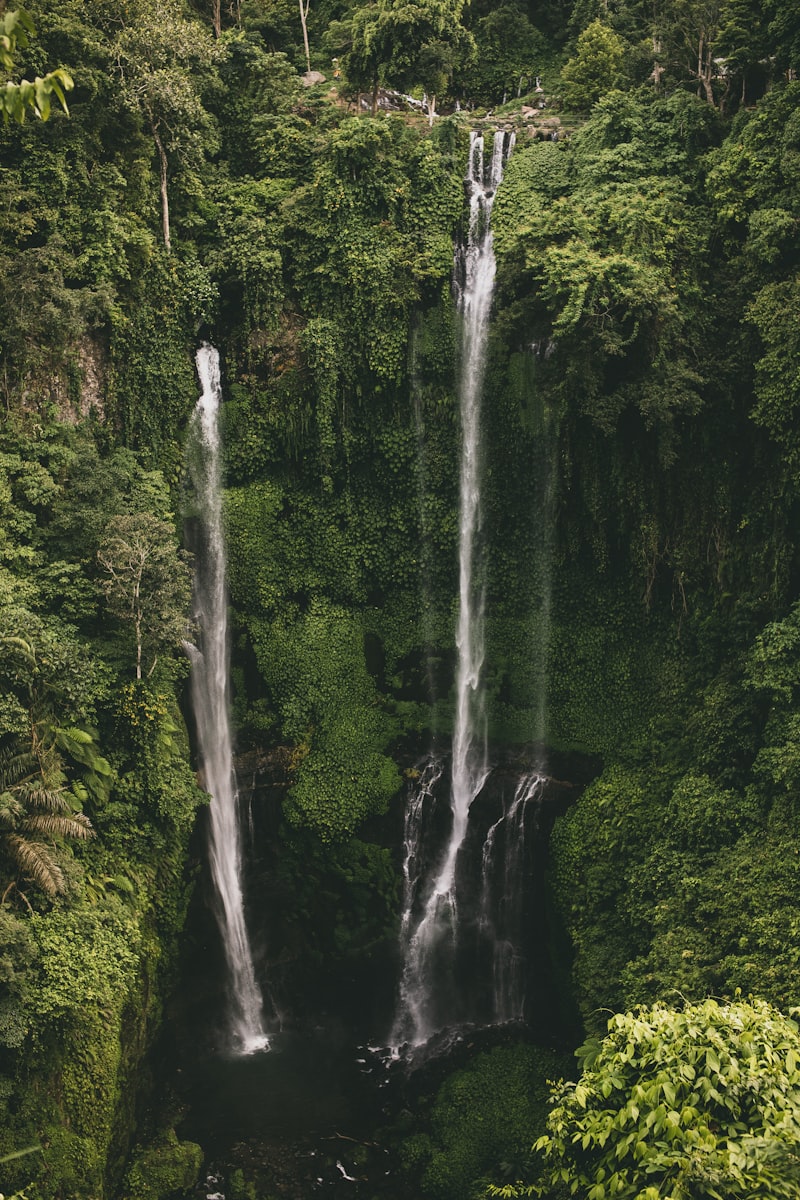
Bruges gets 8 million visitors a year. Here's how to be one of the good ones.

Every August, early music fills Bruges' churches and concert halls.
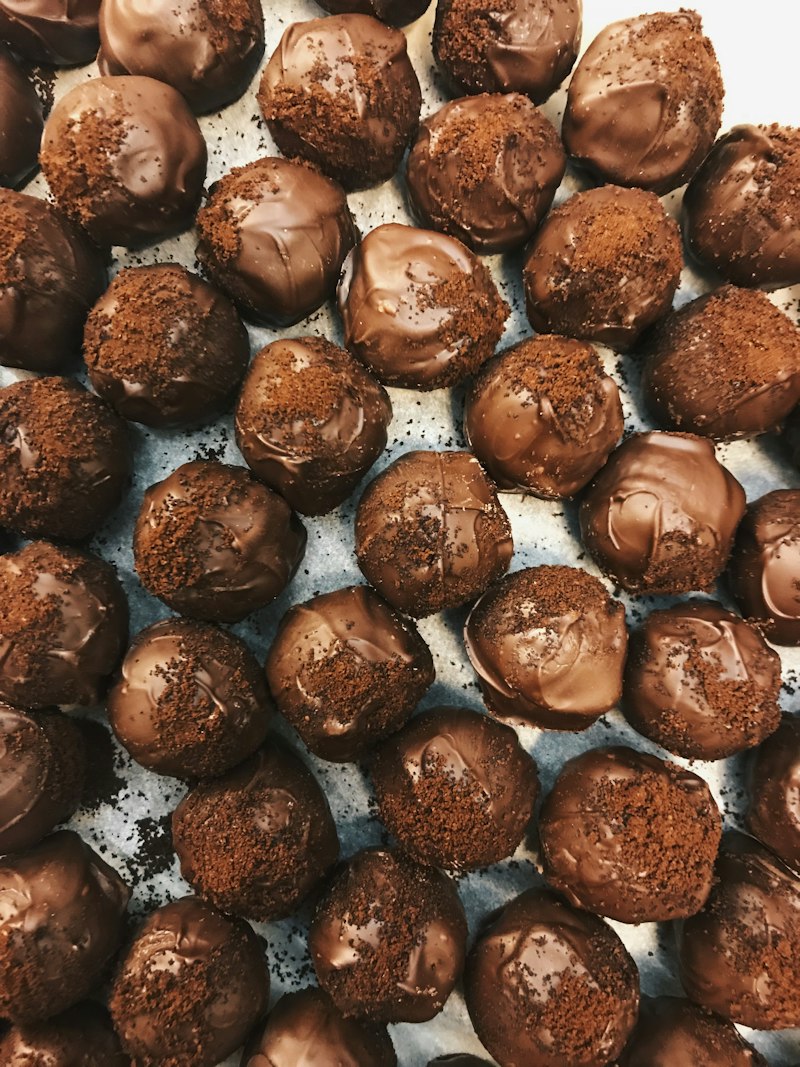
Belgium invented beer culture. Now a new generation is reinventing it.

Some of the most beautiful spaces in Bruges are hidden behind ordinary-looking doors.

The Belgian coast is 15 minutes by train. Here's how to do a beach day from Bruges.

From open-air concerts to beer festivals, Bruges' summer calendar is packed.

Bruges had a welfare system in the 1200s that would impress modern planners.
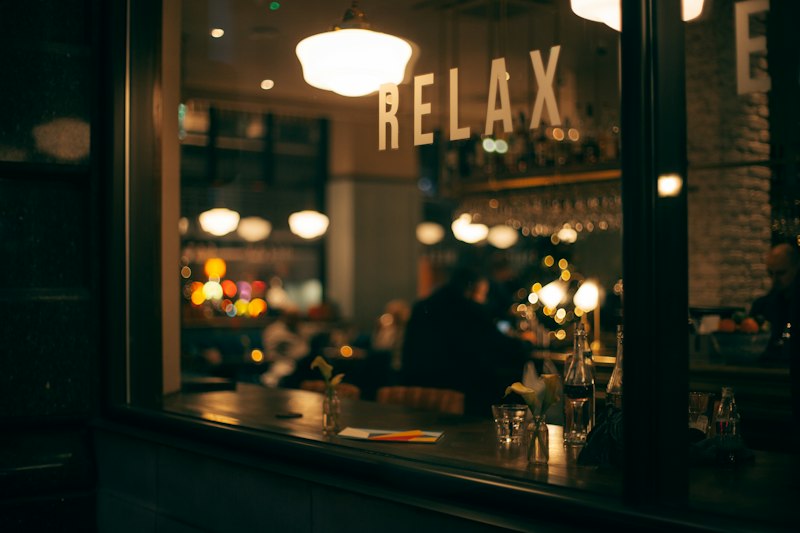
When the sun comes out, Bruges moves outdoors. Here's where to sit.
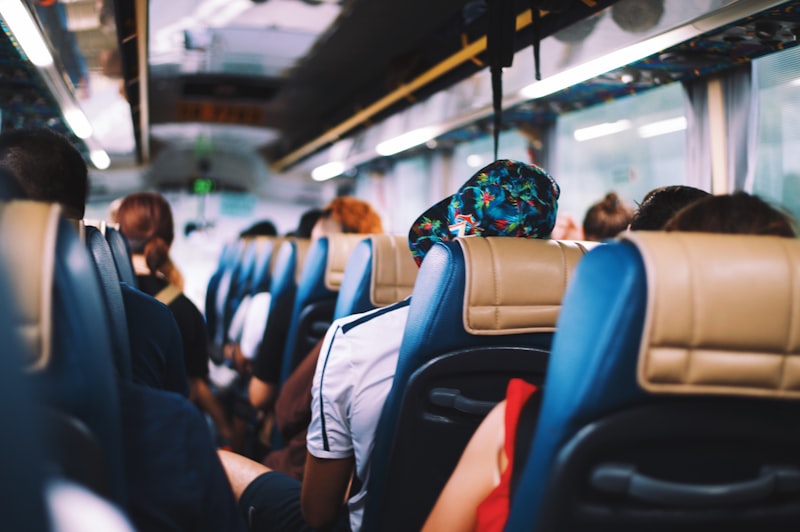
Some practical tips for reducing your footprint while exploring the city.

When the crowds get too much, Bruges has quiet parks and green corners where you can breathe.
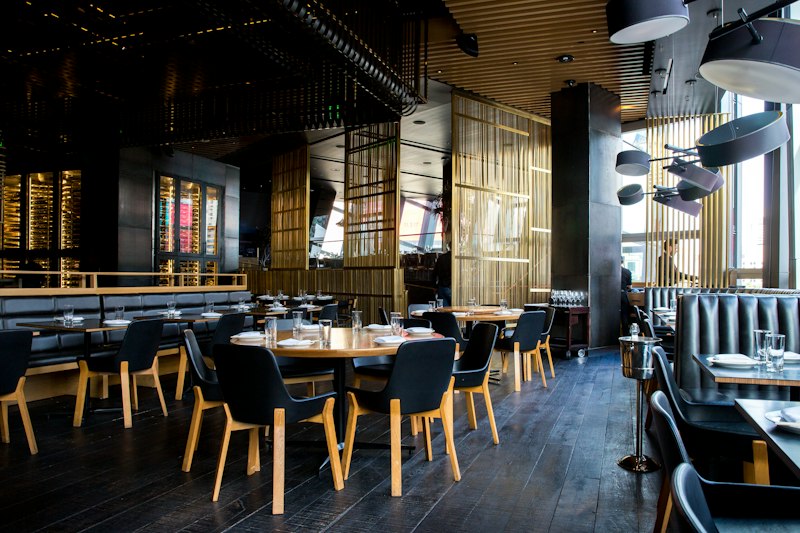
Flemish cuisine is hearty, honest, and much better than its reputation. Here's what to order.

Every Ascension Day, Bruges stages a medieval spectacle that's been running for centuries.

Every season transforms Bruges. Here's when to shoot what.

Belgium is one of Europe's most dog-friendly countries. Bruges is no exception.

From medieval plainchant to jazz bars, Bruges has a music scene that surprises visitors.
Over 40 almshouse courtyards survive in Bruges. Here's a walking route through the best of them.

Several places in Bruges show the city in miniature — and reveal things you'd miss at full size.

The regular canal tours end at 6pm. But private sunset cruises exist — and they're magical.

Several chocolatiers in Bruges will teach you to make pralines. Here's what to expect.

For a brief, brilliant century, Bruges was the financial capital of the known world.

Belgium's rail network makes Bruges an ideal base for exploring Flanders.
The trenches of World War I are just an hour from Bruges. It's a journey worth making.

Beer is Belgium's national religion. Here's how to worship in Bruges.

Bruges was a major centre of tapestry production. The craft has all but vanished, but the masterpieces remain.

Three wooden windmills stand on the old ramparts, last survivors of a skyline that once bristled with them.

Some people swim in the North Sea in January. Here's why — and where.

Grab a bike and escape the centre. These routes show you the Bruges that tourists miss.

Behind the medieval walls, Bruges hides gardens that most visitors never find.

When the lights come on and the crowds leave, Bruges becomes a photographer's paradise.

A growing number of Bruges restaurants are sourcing directly from Flemish farms.

Bruges' skyline has barely changed in 500 years. Here's what each spire represents.

Skip the tourist traps. These are the cafés that Bruges residents use as their living room.

Trains, planes, and the occasional shuttle. How to reach Bruges from anywhere.

A medieval city isn't an obvious family destination. But Bruges has more for kids than you'd think.

Bruges was voted the most romantic city in Europe. Here's how to earn that title.

Medieval cities and wheelchairs don't mix easily. But Bruges is making progress.

Dutch, French, English — and the unique Bruges dialect that confuses even Belgians.
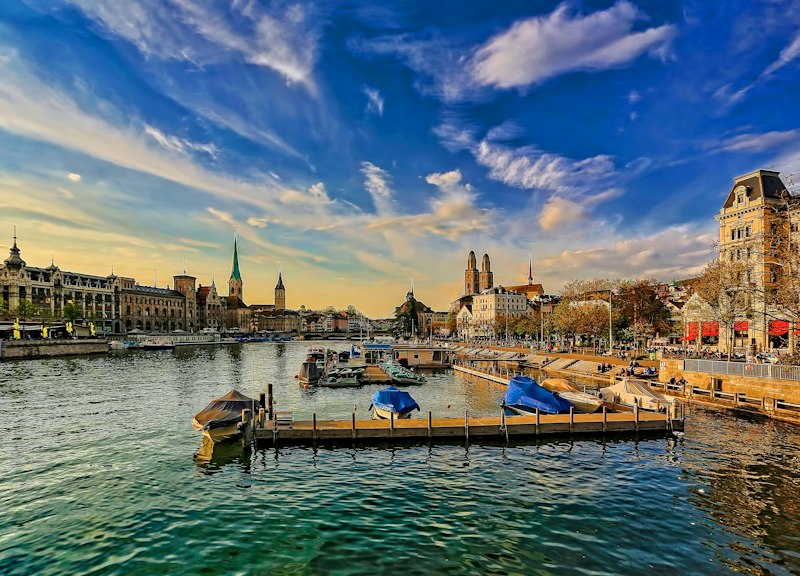
There are 15 museums in Bruges. Here's which ones to see and whether the pass saves money.

Just 25 minutes by train, Ghent has a completely different energy. Here's a day well spent.

Where to point your camera and when — a photographer's guide to getting Bruges right.

Bruges gets rain about 200 days a year. Here's how to spend a wet afternoon without wasting it.

One of Michelangelo's few works outside Italy sits in a Bruges church. Here's how it got here.

The name is misleading. The history is better. And it's a two-minute walk from our front door.

By 7pm the tour buses are gone and Bruges becomes a different city entirely.
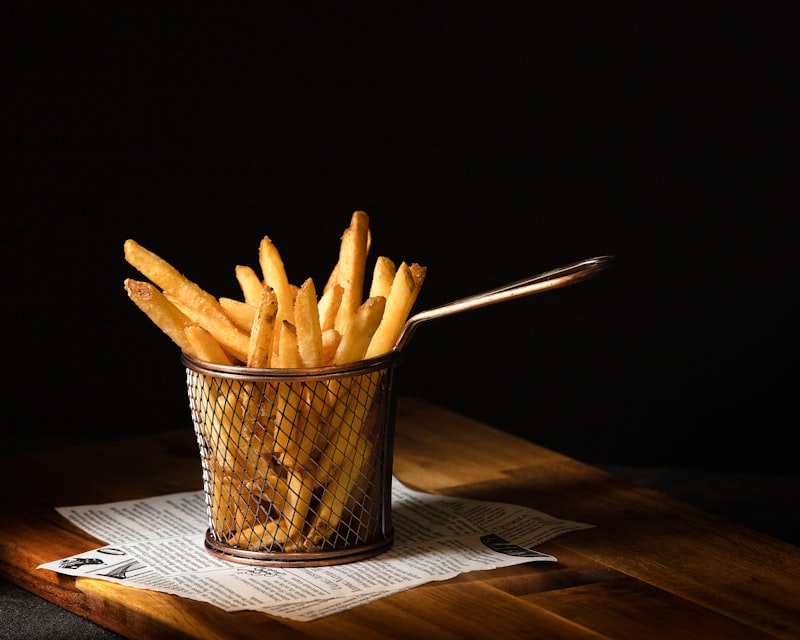
They're called frites, not French fries. And in Bruges, they're taken very seriously.

One of Belgium's finest art collections, packed into a surprisingly small space. Here's what not to miss.
A tiny book village connected to Bruges by a dead-straight canal. Bike there, eat pancakes, bike back.

Bruges was once the lace capital of Europe. A handful of women are keeping the tradition alive.

Right in the centre of town, there's a walled garden that feels like stepping into another century.

There are over 50 chocolate shops in Bruges. Most of them are fine. A few are exceptional. Here's where to go.
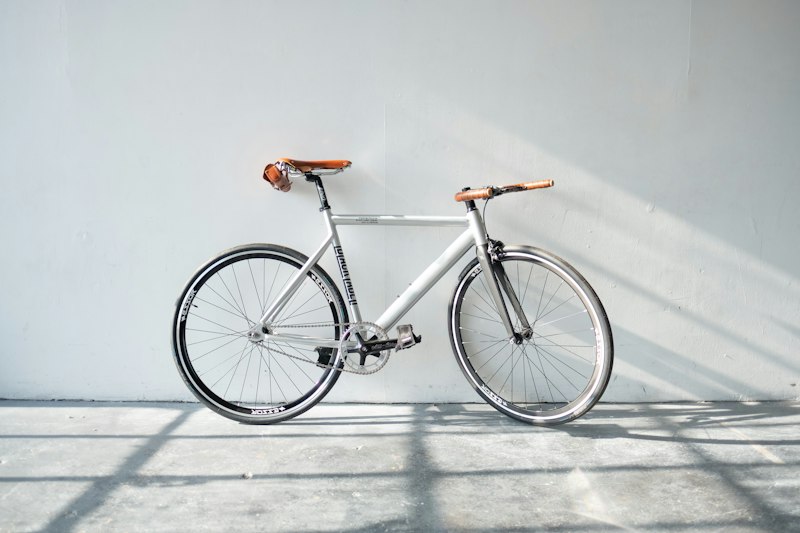
The old centre is compact, but the best parts of Bruges are just outside it — and a bike changes everything.

Belgium has over 1,500 different beers. Here's how to drink your way through Bruges without getting lost.

Everyone does a canal tour in Bruges. But the first departure of the morning is a completely different experience.

The medieval Belfry tower dominates the Markt square. Here's what to expect when you climb it — and why you should go early.